Gestūs: The image in three movements
commissioned for Sharjah Biennial 2025
curated by Alia Swastika
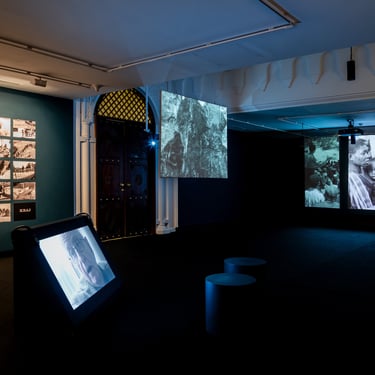
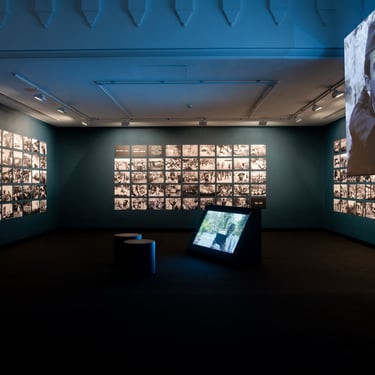
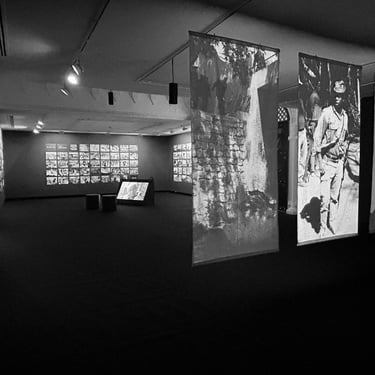
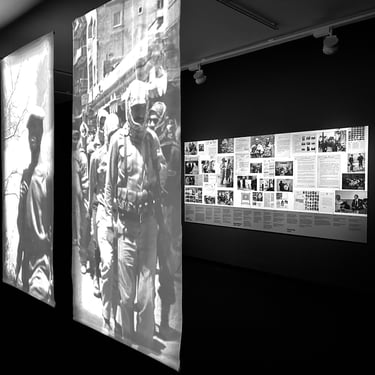
An investigation on the genealogy of international solidarity with liberation movements in the Non-Aligned world, through the evolution of their use of the filmed image. Centered on three recently-digitized documentary films created within clandestine cinematic relationships between cameramen from the Yugoslav People’s Army (1941-1945) the Algerian Liberation Front (1954-1962), the Mozambican Liberation Movement FRELIMO (1962-1975) and the Palestinian Liberation Organisation, the mixed media project maps out unknown and unperceived linkages within the tradition of militant and revolutionary cinema, situating these films in a cinematographic 'Third Worldism'.
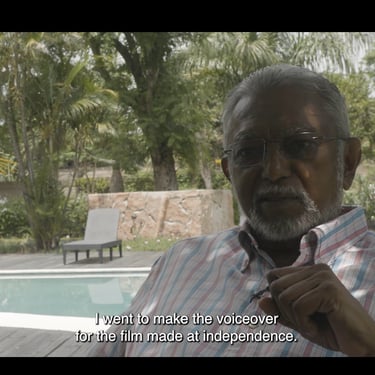
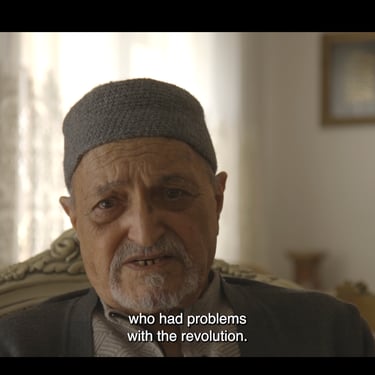
The work combines archive video installations, filmed oral testimonies, personal photographs, private letters, archives and research documents, gathered in a collaboration with those in charge of creating the cinematic image of the liberation movements - veteran militants from the FLN and FRELIMO who are still alive and who embody the participative sympathy that informed the ideology of a cinema of intervention.
The homonymous three-channel video-installation, Gestūs, brings the three films into dialogue intervening to create a communicative landscape in which the three narratives are interwoven into a conceptual and continuing loop, inviting a meditation on the exchanges and transmissions of images of liberation.
"Processes of decolonisation are often reduced to national struggles between the colonial power and the colony: France vs. Algeria, Belgium vs. Congo, Germany vs. Namibia, Portugal vs. Angola, Britain vs. India and the Netherlands vs. Indonesia – like a series of vertical lines, side by side but never intersecting, a kind of barcode.
But alongside that vertical component, there are also many horizontal processes. The participants include neighbouring countries, allies, local militias, regional actors and international organisations. Their influence must not be filtered out. If we do that, we are stuck in the nineteenth century, with the Western nation-state and its colonial borders as our frame of reference. If we look at the past only through the arrow slits, we won’t see the whole landscape. The time is ripe to stop focusing on national narratives and recognise the global dimension of decolonisation.
Yes, that takes some effort."
David Van Reybrouck (2020) Revolusi: Indonesia and the Birth of the Modern World